 AIPLLE METAL
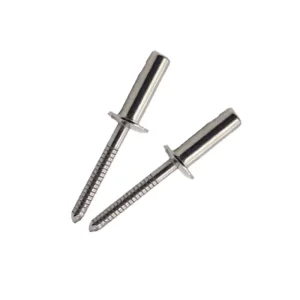
Engineering & Metallurgical Excellence in Stainless Steel Rivet Manufacturing
A comprehensive whitepaper for procurement executives, structural engineers, and automotive buyers on global standards, tensile strength dynamics, and supply chain scalability.
1. Metallurgical Foundations & Material Selection for Stainless Steel Rivets
In high-stress industrial applications, selecting the appropriate chemical composition and mechanical properties of stainless steel rivets is paramount to structural integrity. As a premier global stainless steel rivets factory, Wuxi Aiple Metal Products Co., Ltd. utilizes advanced cold-heading wire grades engineered for ultimate shear strength, tensile resilience, and long-term corrosion immunity.
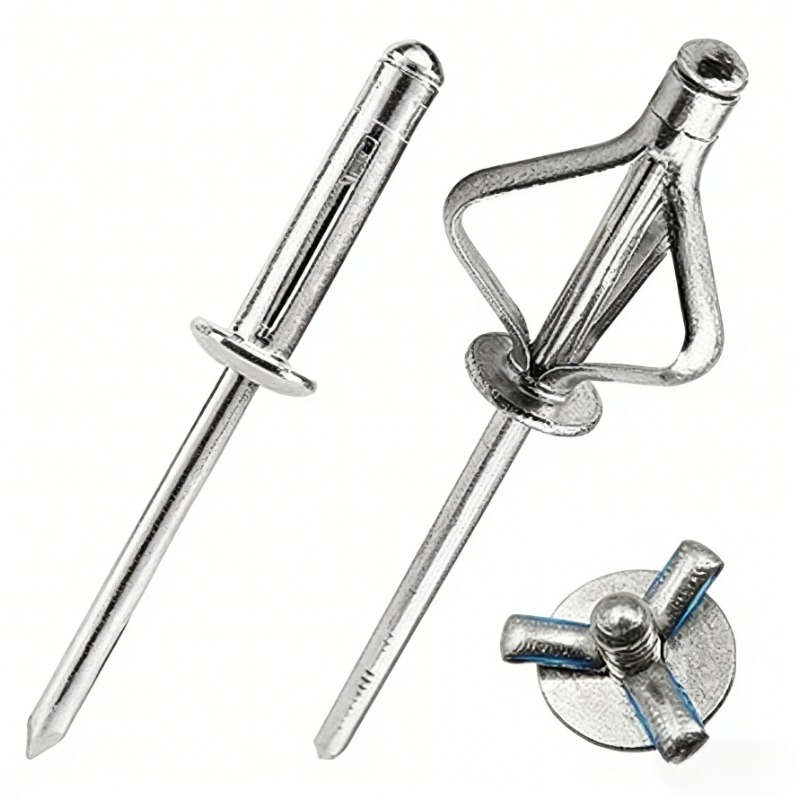
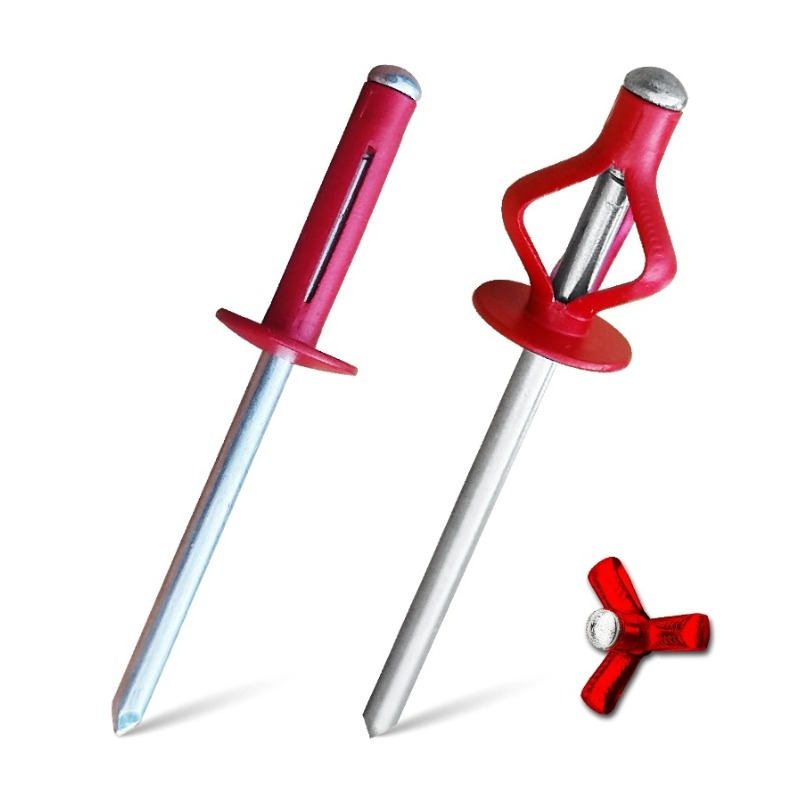
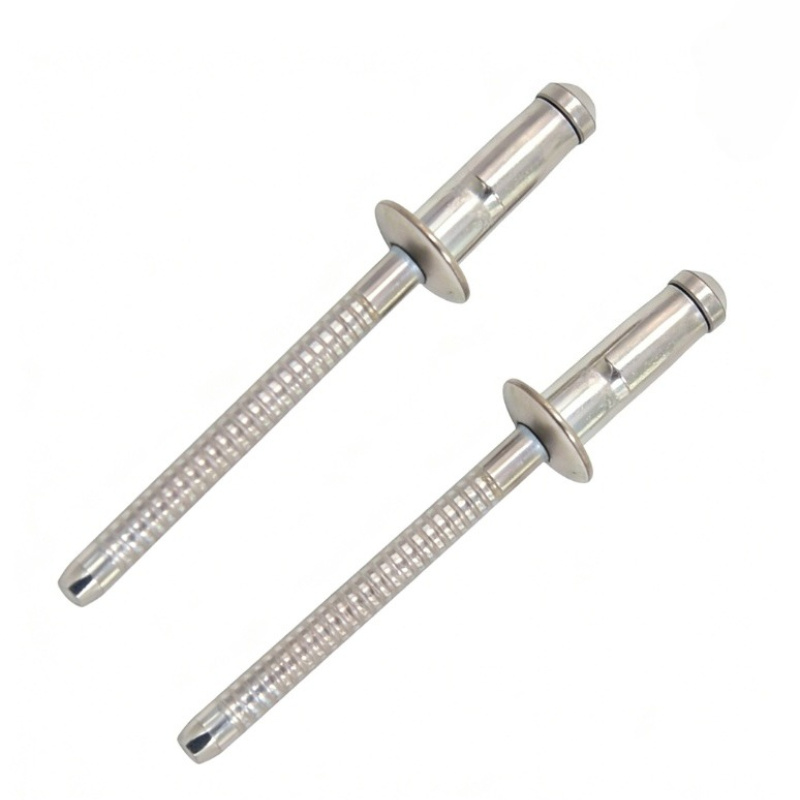
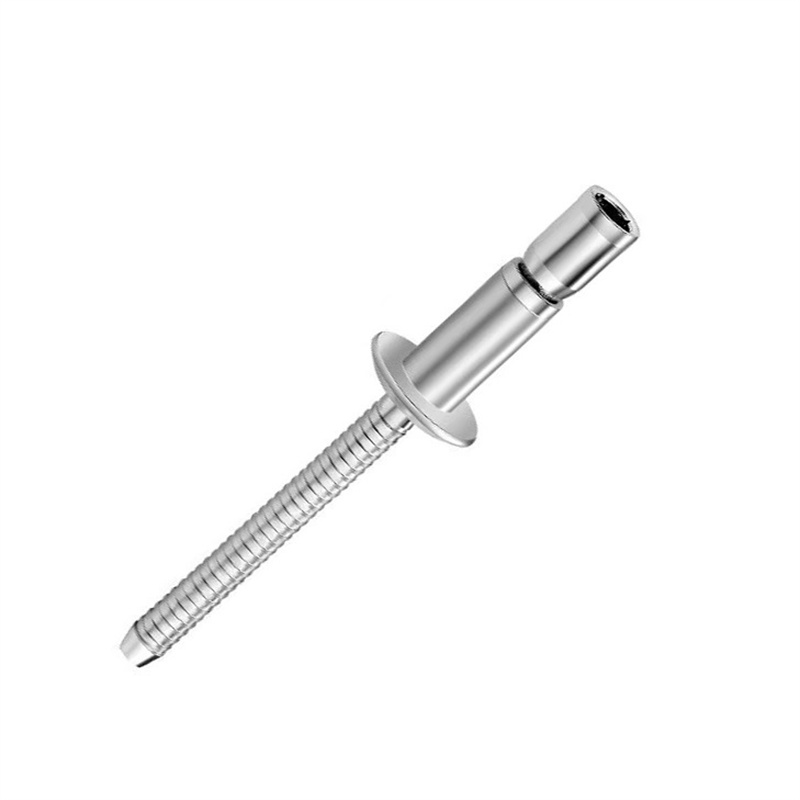
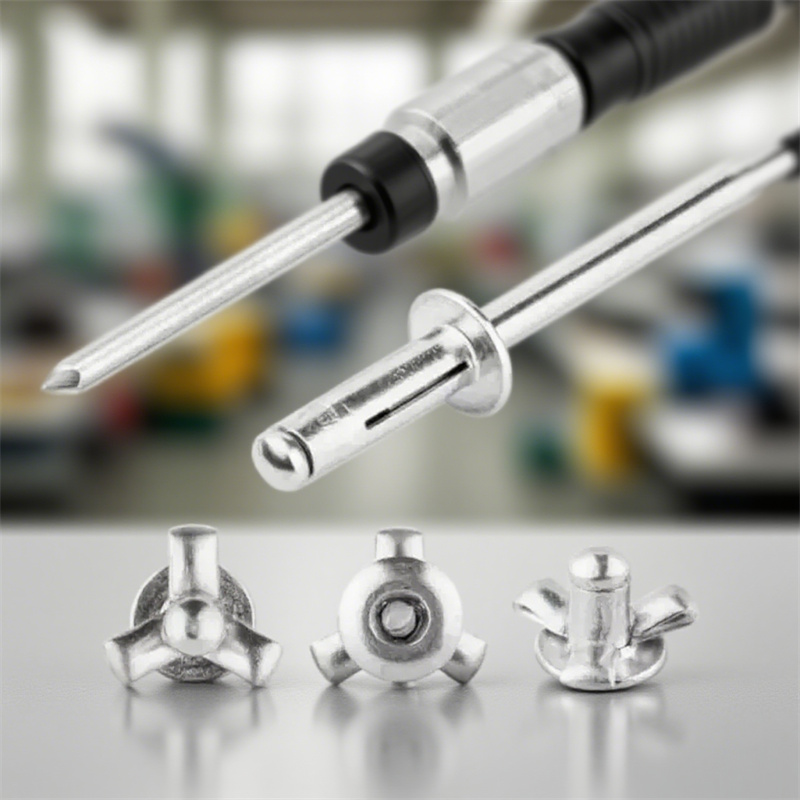
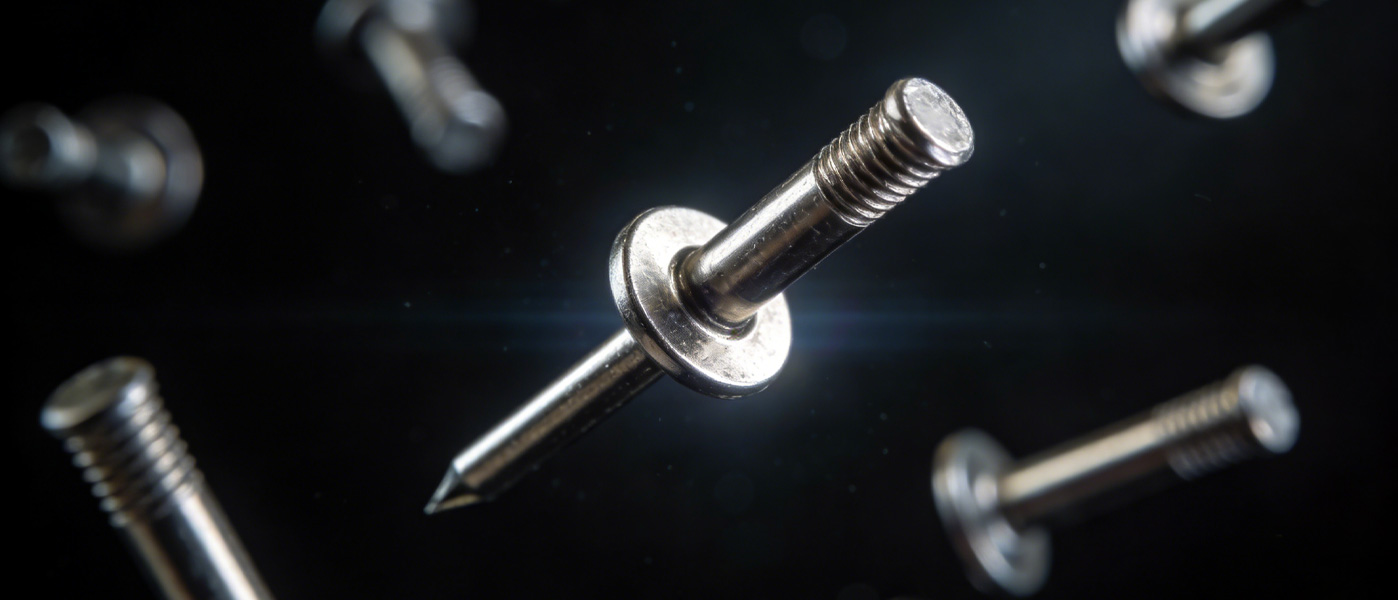
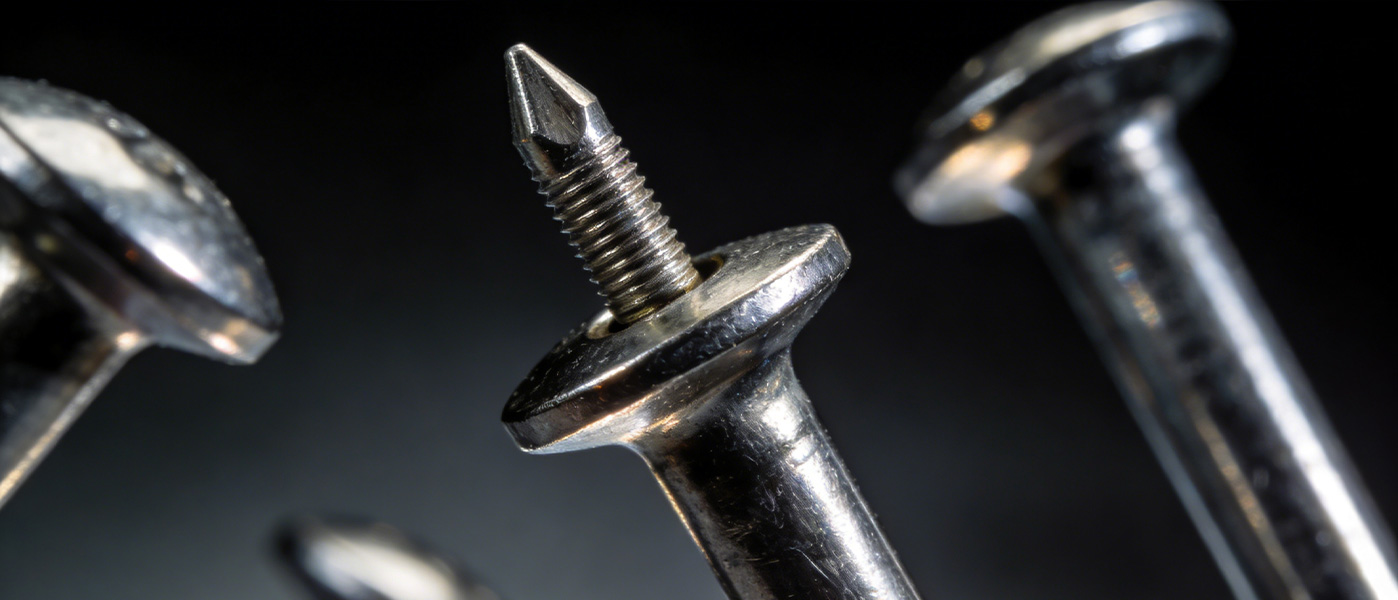
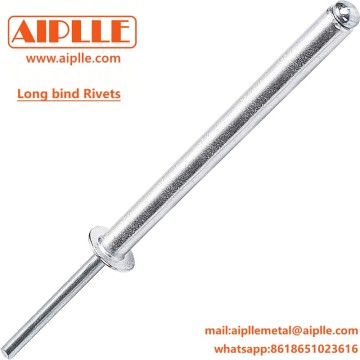
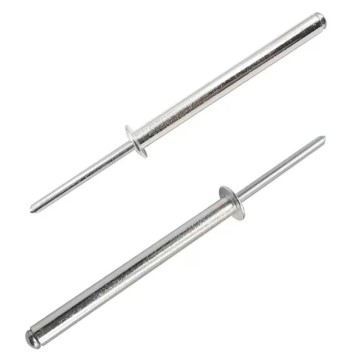
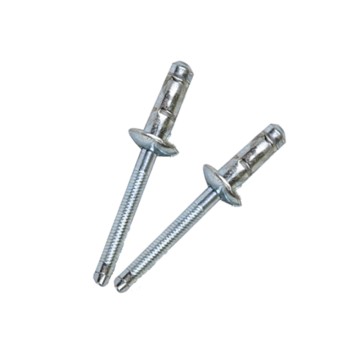
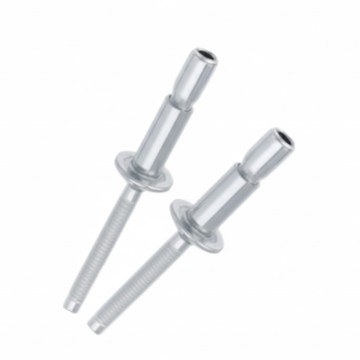
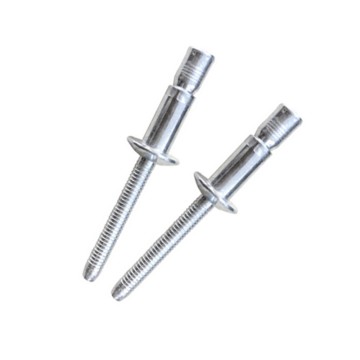
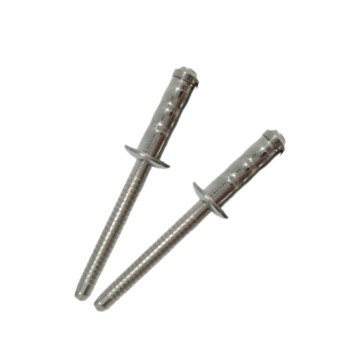
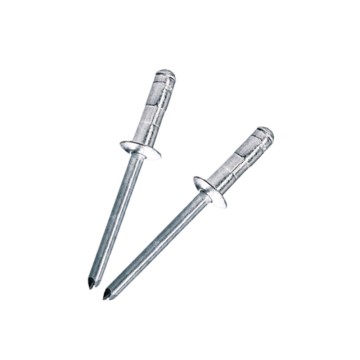
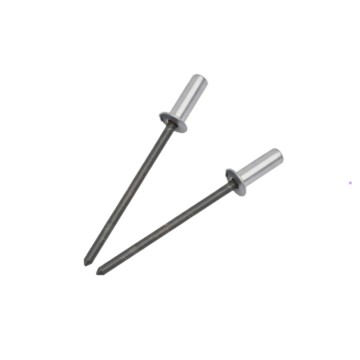
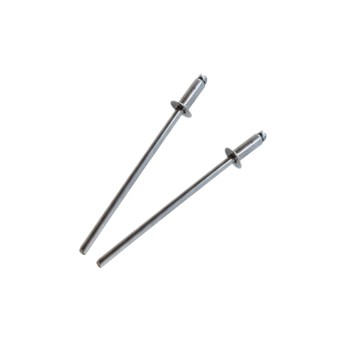
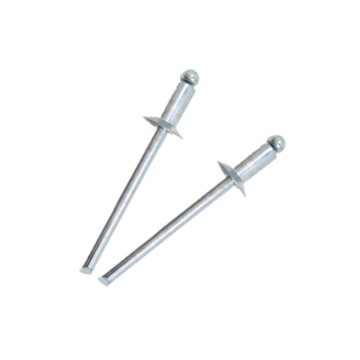
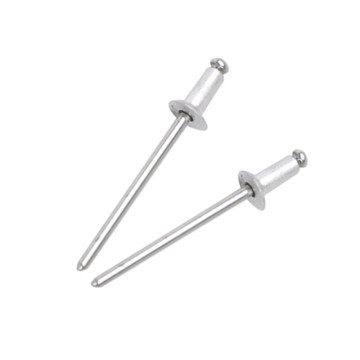
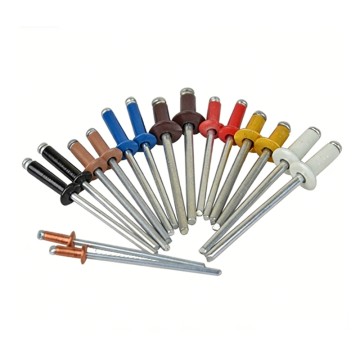
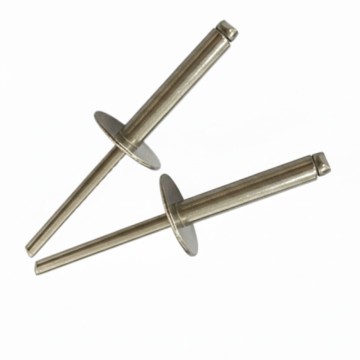
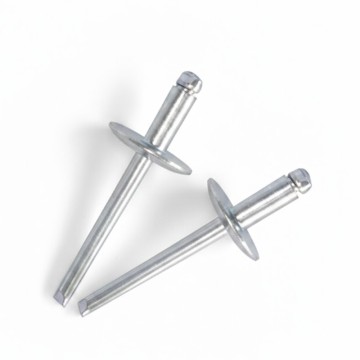
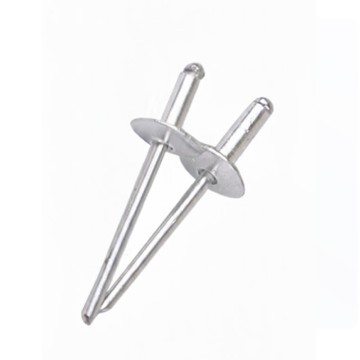
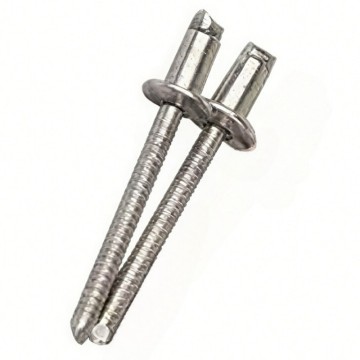
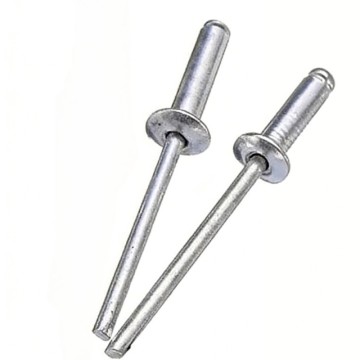
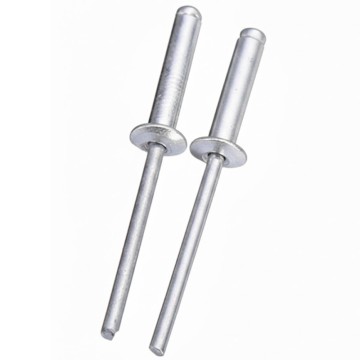
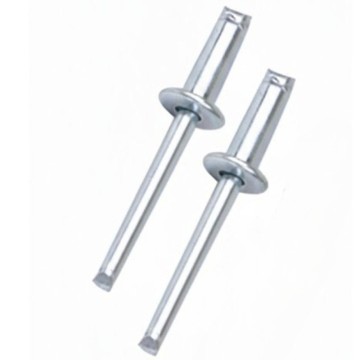
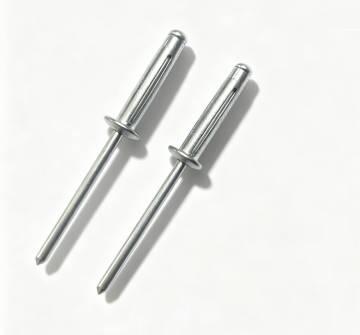
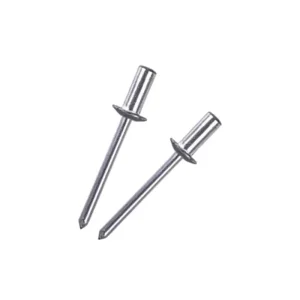
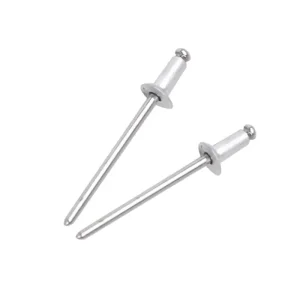
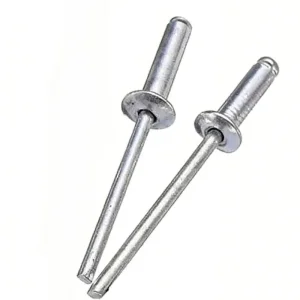
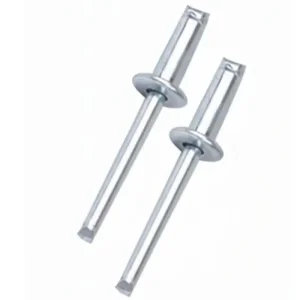
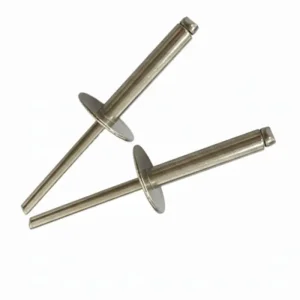
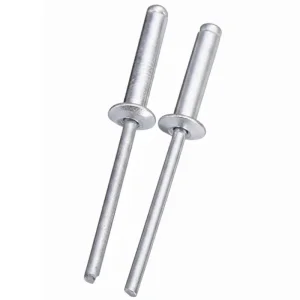
Stainless steel blind rivets operate by expanding the rivet body shank against a blind side material while pulling the mandrel until it reaches its calibrated break point. The choice of alloy dictates not only installation performance but also performance under cyclic thermal shock, galvanic exposure, and aggressive chemical environments.
Technical Alloy Matrix for Global Purchasing Specifications
- AISI 304 (EN 1.4301 / A2-70): The gold standard for commercial and automotive structural applications. Provides exceptional resistance to atmospheric oxidation, weak acids, and fresh water. Offers tensile strength upwards of 700 MPa following cold work hardening during rivet body forming.
- AISI 316 (EN 1.4401 / A4-80): Alloyed with 2-3% Molybdenum, Grade 316 stainless steel rivets offer supreme immunity against pitting corrosion induced by chlorides, sea spray, and chemical processing fluids. Crucial for marine infrastructure and offshore energy installations.
- AISI 316L (Low Carbon): Prevents chromium carbide precipitation during localized thermal spikes, maintaining maximum weldability and corrosion barrier consistency across severe chemical processing units.
- 5052 & 5056 Aluminum Alloys: Formulated for structural pairing with aluminum frameworks to prevent galvanic potential differentials while maintaining lightweight structural rigidity (Grade 11 rating).
Comparative Mechanical & Corrosion Specifications Table
| Rivet Category | Body Material | Mandrel Material | Tensile Range (kN) | Shear Range (kN) | Salt Spray Test (Hours) | Primary Application |
|---|---|---|---|---|---|---|
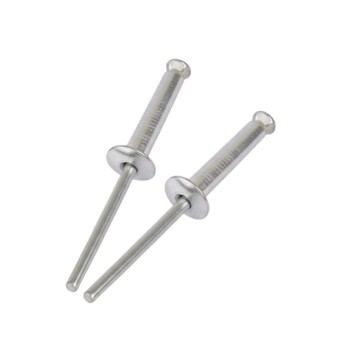
| Open-End Standard | SS 304 (A2) | SS 304 / Steel | 2.2 - 6.8 | 1.8 - 5.5 | > 720 Hours | HVAC, Enclosures, Solar Racking |
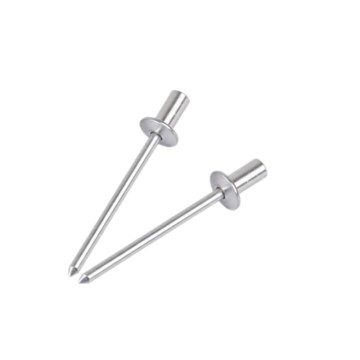
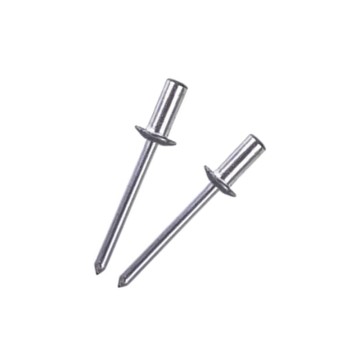
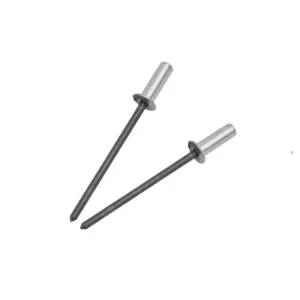
| Closed-End Sealed | SS 316 (A4) | SS 316 (A4) | 3.0 - 8.5 | 2.5 - 7.0 | > 1,000 Hours | Marine Vessels, Tanks, Liquid Storage |
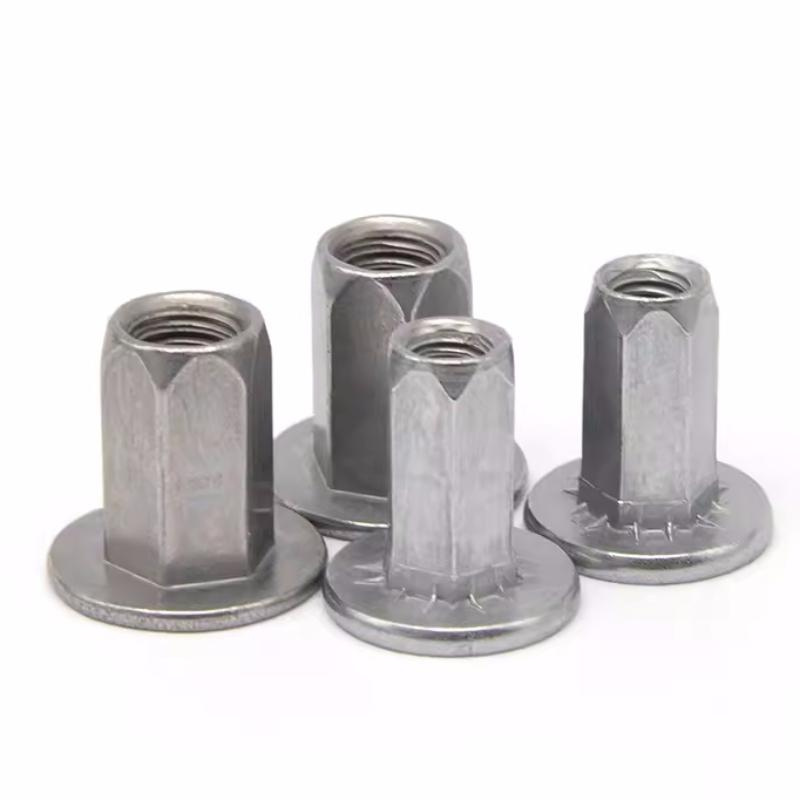
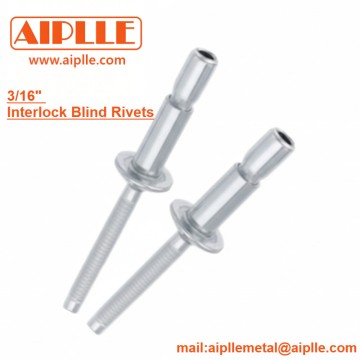
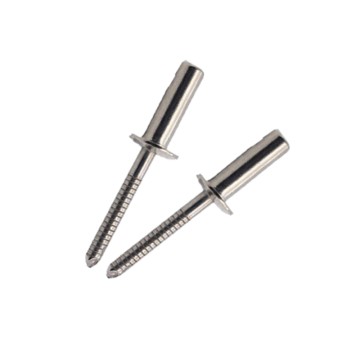
| Interlock Structural | Carbon Steel / SS | High-Tensile Steel | 6.5 - 18.0 | 5.8 - 14.5 | > 500 Hours (Zinc Coated) | Commercial Chassis, Heavy Machinery |
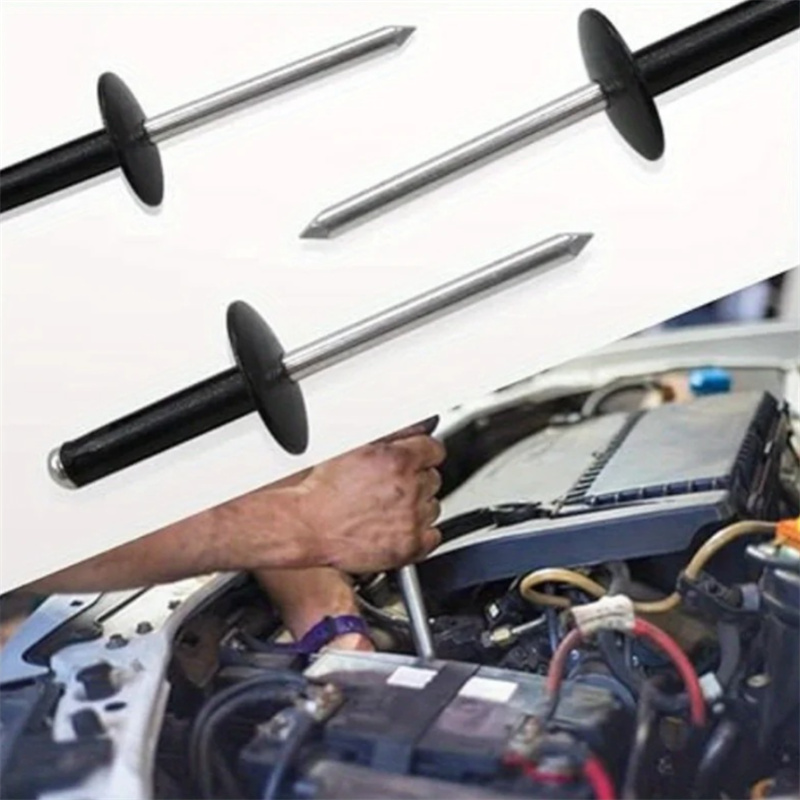
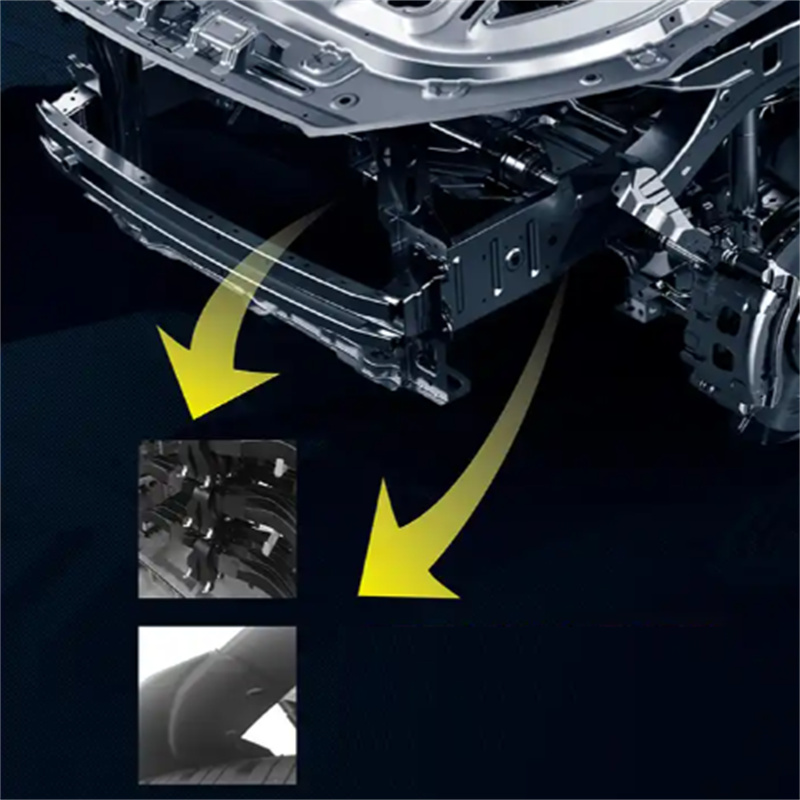
| Hemlock Structural | High Strength Steel | Hardened Steel | 7.2 - 21.0 | 6.9 - 17.5 | > 480 Hours | Automotive Frames, Rail Transit |
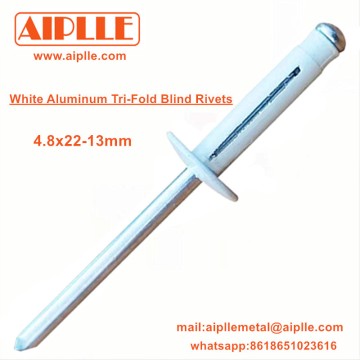
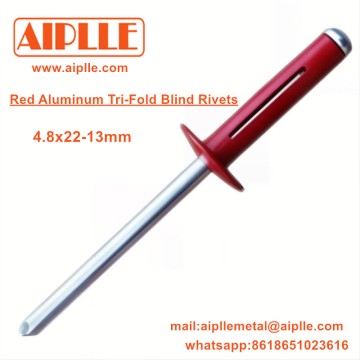
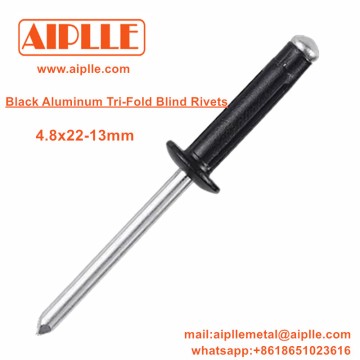
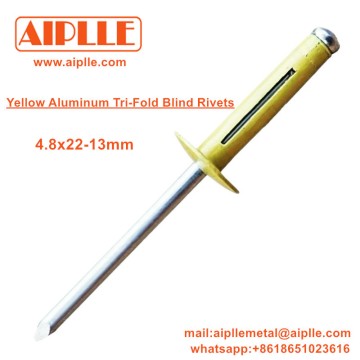
| Tri-Fold / Lantern | 5052 Aluminum | Aluminum / Steel | 1.2 - 3.5 | 1.1 - 3.0 | > 600 Hours | Plastics, Composites, Roofing Sheets |
2. Manufacturing Ecosystem & Production Capabilities: The WUXI AIPLLE Difference
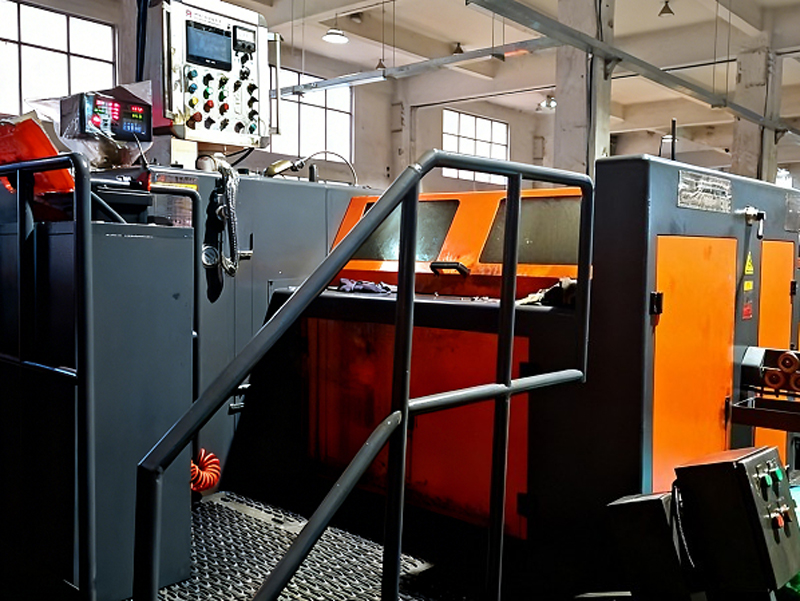
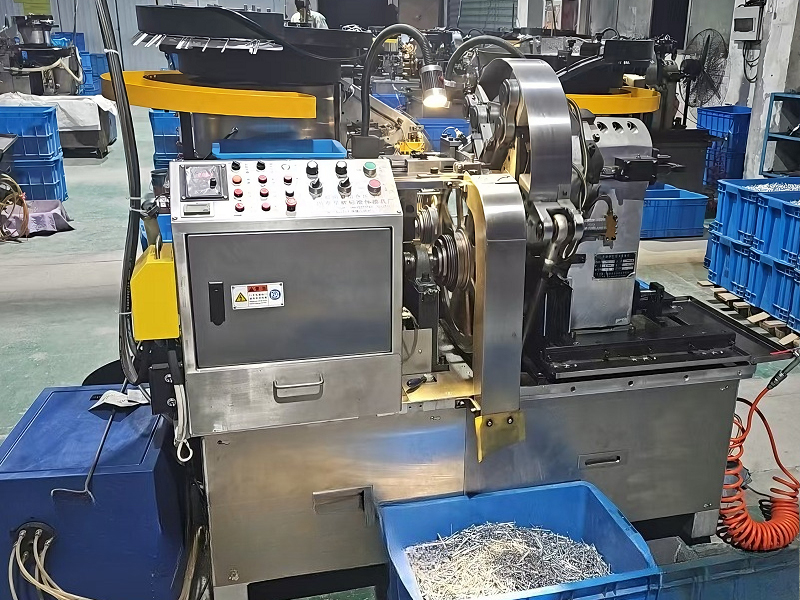
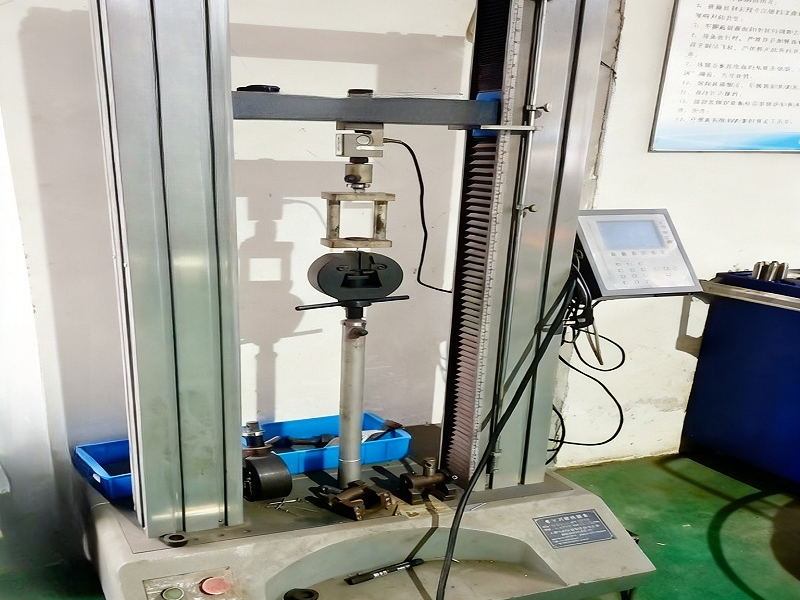
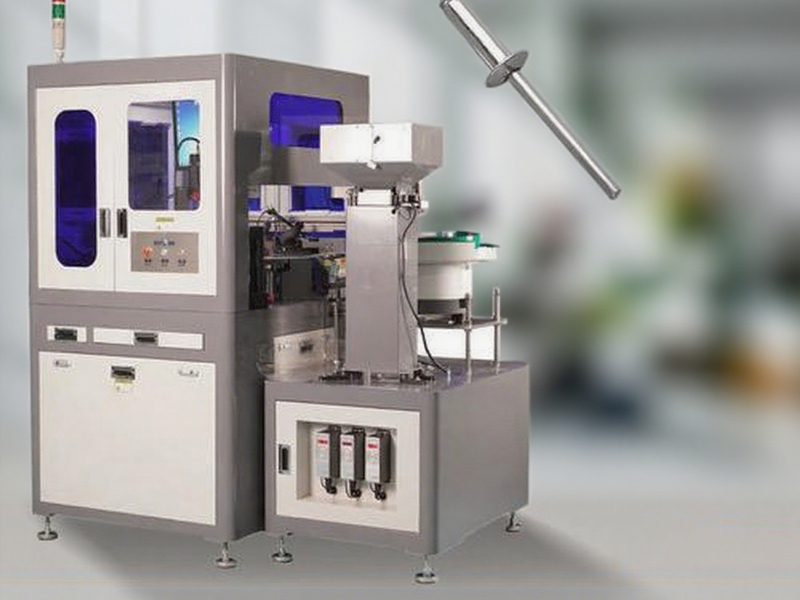
Wuxi Aiple Metal Products Co., Ltd. operates a high-capacity manufacturing facility outfitted with multi-station cold forming machinery, automated high-speed assembling lines, and optoelectronic optical sorting equipment. Our quality management framework is accredited under both ISO 9001:2015 and the rigorous IATF 16949:2016 automotive standard.
Achieving structural reliability requires zero tolerance for manufacturing flaws. From wire drawing and annealing to header forming, mandrelling, polishing, and final packaging, every step is rigorously monitored using SPC (Statistical Process Control).
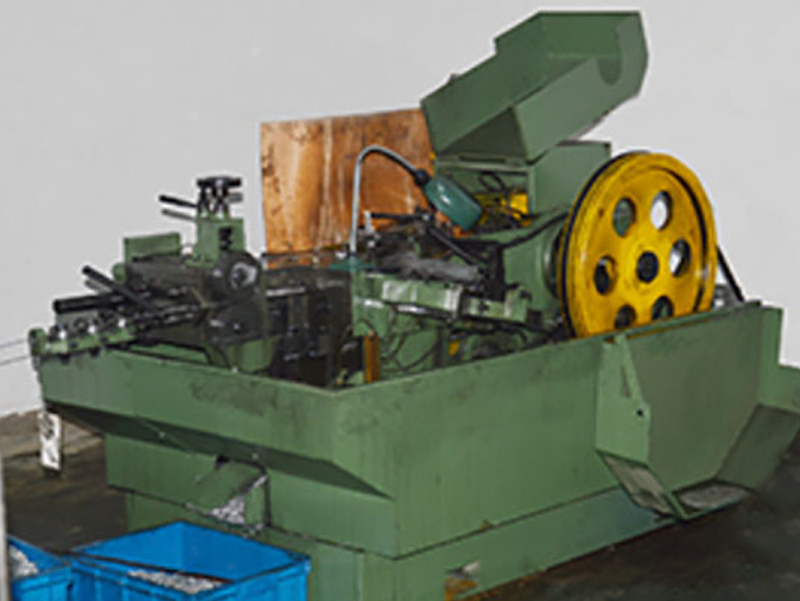
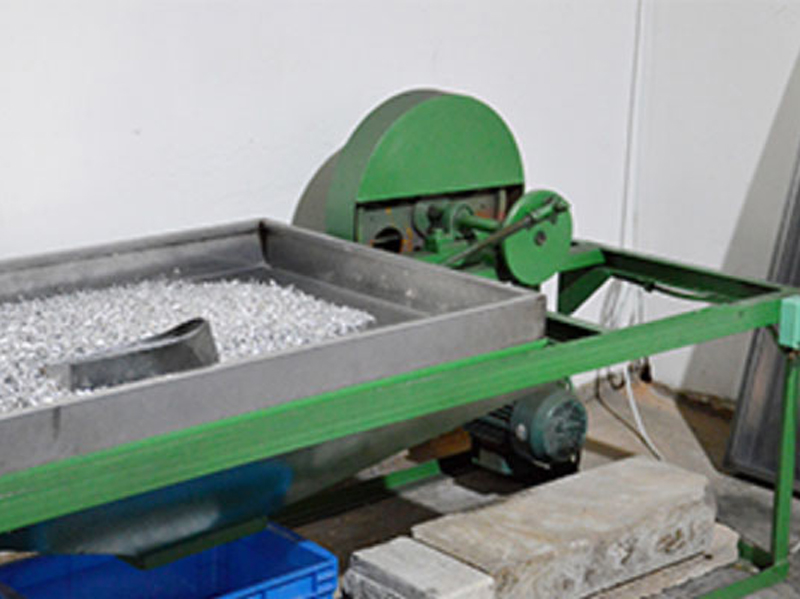
Our Factory Machinery & Technical Equipment Lineup
Our infrastructure empowers continuous batch production with ultra-tight dimensional tolerances (±0.05mm), ensuring flawless integration into robotic or automated assembly lines used by Tier-1 automotive and industrial OEMs.