Choosing the right Steel Blind Rivets supplier affects joint strength, installation speed, and long-term product reliability. Global buyers need more than a low quotation. They need stable dimensions, traceable materials, consistent plating, and responsive technical support. A rivet may look simple, yet its mandrel, body, grip range, and head geometry determine performance.
Fastener specialist John Gilligan has emphasized, “A connection is only as strong as its weakest detail.” This practical view suits Steel Blind Rivets perfectly. A reliable supplier should explain alloy selection, tensile strength, shear strength, and corrosion resistance clearly. Product samples should be tested before large-scale purchasing. Check the rivet body under load. Inspect the mandrel after installation. Small gaps can reveal major process problems.
China has become an important sourcing base for blind rivets. Many manufacturers offer carbon steel, stainless steel, and coated options for construction, automotive, appliances, and general fabrication. However, factory capability varies. Some suppliers provide impressive catalogs but weak quality records. That deserves attention. Buyers should review inspection reports, production controls, packaging methods, and export experience.
This guide introduces practical criteria for selecting a China Steel Blind Rivets supplier for global projects. It considers material consistency, manufacturing equipment, quality assurance, customization, lead times, and communication. It also recognizes an uncomfortable truth: even a qualified supplier may not suit every application. Grip range, environment, loading direction, and installation tools must match the design. Careful comparison protects both budgets and finished products.
Steel Blind Rivets Defined: Components, Sizes, and ISO 15973–15978 Types
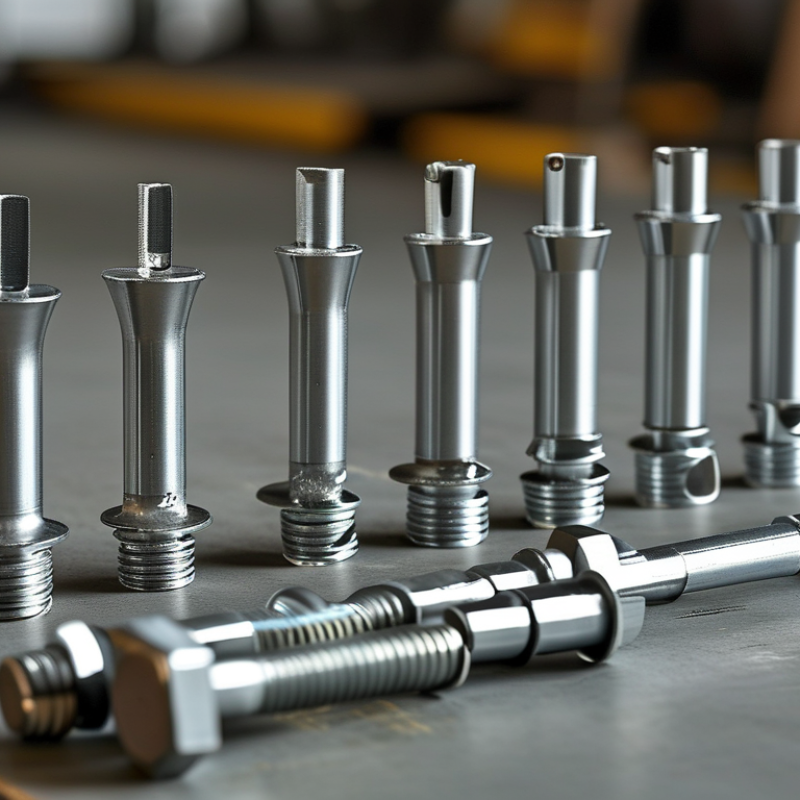
Steel blind rivets use a tubular rivet body and a drawn mandrel. The mandrel expands the body behind the panel, creating a permanent joint from one accessible side. A typical assembly includes the rivet head, sleeve, mandrel, and break point. Common diameters include 2.4, 3.2, 4.0, 4.8, and 6.4 mm. Grip range matters more than diameter alone. A 4.8 mm rivet with a 3–6 mm grip cannot reliably clamp a 9 mm stack.
ISO 15973–15978 separates important configurations. The series covers open and closed-end designs, head profiles, and material combinations. ISO 15973–15975 are generally linked with open steel rivets, including dome, countersunk, and large-flange heads. ISO 15976 addresses closed-end steel construction. ISO 15977–15978 commonly extend the family to aluminium alloy rivets with steel mandrels. Exact designation details should be checked against the current standard edition. Catalog listings are not always perfect.
World Steel Association reported 1,892.2 million tonnes of crude steel production in 2023. That scale supports steel’s broad industrial availability, but availability does not guarantee suitable rivet performance. Buyers should verify tensile strength, shear strength, mandrel retention, coating, and salt-spray results. In field inspections, oversized holes and incorrect grip selection remain frequent causes of loose joints. A supplier should provide dimensional drawings, batch traceability, inspection records, and test data. Blind rivets look simple. Their failure rarely is.
Steel Blind Rivets: Common Nominal Diameters
Blind rivets consist of a tubular rivet body and a pull mandrel. The mandrel expands the rivet body on the blind side, creating a permanent joint when access is available from only one side. The chart shows commonly specified nominal rivet diameters used in metric blind-rivet applications. ISO 15973–15978 covers dimensional and performance classifications for blind rivets, including open-end and closed-end designs with different head configurations.
Performance Data: Shear, Tensile, and Mandrel Loads per ISO 14589
For global buyers, a capable China-based steel blind rivet supplier must show more than catalog dimensions. ISO 14589 provides a structured method for evaluating mechanical performance. Shear load measures resistance when joined sheets slide sideways. Tensile load measures resistance when the sheets pull apart. Both values should be reported in newtons, with rivet size, material, grip range, and test conditions clearly identified.
Mandrel load also deserves careful attention. During installation, the mandrel creates radial expansion inside the sleeve. Its breaking load affects setting consistency and tool selection. A stable result helps prevent incomplete expansion, loose joints, or excessive deformation. Test samples should match production rivets, not specially selected pieces. Batch numbers, sample quantities, failure modes, and test equipment should remain traceable.
In practical purchasing work, I compare ISO 14589 data with the actual joint design. Sheet hardness, hole quality, clamping pressure, and grip variation can change performance. Data alone is not enough. It must fit the application. Not every result is neat. Occasional scatter may reveal coating variation, sleeve hardness differences, or testing errors. A responsible supplier investigates these gaps instead of hiding them. Some buyers also request independent verification before approving regular shipments. That extra step costs time, but it can expose weak assumptions early.
Production Quality: Coatings, Dimensional Tolerances, and EN 10204 Records
China’s steel blind rivet supply benefits from substantial industrial capacity.
The World Steel Association reported 1.019 billion tonnes of Chinese crude steel production in 2023. Scale helps, but it does not replace process control. Buyers should request coating records, dimensional inspection results, and traceable material documents for every production lot.
Coating performance needs measurable evidence.
We normally check zinc or colored finishes with X-ray fluorescence, visual inspection, and adhesion testing. Salt-spray results should follow ISO 9227, with exposure hours agreed before production. More hours do not automatically prove outdoor durability. That assumption is often too simple. Threadless rivet bodies, mandrels, and cut edges may react differently during testing.
Dimensional control is equally practical.
A sampling plan should verify body diameter, grip range, head diameter, and mandrel position against the approved drawing. Tolerances must be written clearly, rather than implied by a general specification. EN 10204 documentation adds another layer of confidence. Type 2.1 confirms conformity without test results, while Type 3.1 links inspection results to the supplied batch. The record should show heat or lot numbers, coating results, measured dimensions, and inspector approval. A certificate is useful, but it is not magic. Independent verification remains sensible for critical assemblies.
Global Supplier Selection: 2.4–6.4 mm Diameters, Grip, MOQ, and Lead Time
Choosing a China-based steel blind rivet supplier requires more than comparing unit prices. Global buyers should confirm available diameters from 2.4 to 6.4 mm, including head style, mandrel material, and surface finish. These details affect installation force and joint durability.
Grip range deserves careful checking. A rivet may fit the stated diameter but fail when the material stack changes. Ask for tested grip charts, sample pieces, and dimensional inspection records. Experienced suppliers should explain performance across thin sheet, coated panels, and uneven assemblies. Quality documents should match the actual production batch.
Tips: Request a small trial order before approving volume production. Check hole size, pull-up behavior, mandrel break, and visible deformation. MOQ can vary by diameter, finish, and packaging method. A lower MOQ may increase cost, while a larger order may improve consistency. Lead time should include production, inspection, packing, and export preparation. Confirm each stage in writing. Delays often begin with unclear drawings or late approvals. A small trial is wiser. Some buyers focus too heavily on price, and that can be a costly mistake.
China Top Steel Blind Rivets Supplier for Global Buyers - Global Supplier Selection: 2.4–6.4 mm Diameters, Grip, MOQ, and Lead Time
| Nominal Rivet Diameter |
Typical Body Lengths |
Common Grip Range |
Typical Head Style |
Standard Body / Mandrel Material |
Typical Application |
Indicative MOQ |
Indicative Production Lead Time |
Export Packing |
| 2.4 mm (3/32 in) |
6–16 mm |
0.5–3.0 mm |
Dome or large-flange head |
Aluminum alloy body / steel mandrel |
Light sheet metal, signage, small enclosures, and low-load assemblies |
20,000 pcs |
15–25 working days |
Bulk cartons; inner boxes available |
| 3.2 mm (1/8 in) |
6–25 mm |
1.0–6.0 mm |
Dome or countersunk head |
Aluminum alloy body / steel mandrel |
General light-duty fastening, HVAC panels, electrical cabinets, and appliances |
20,000 pcs |
15–25 working days |
Cartons with moisture-resistant inner bags |
| 4.0 mm (5/32 in) |
6–30 mm |
1.0–8.0 mm |
Dome, countersunk, or large-flange head |
Aluminum alloy body / steel mandrel |
Automotive trim, general fabrication, ductwork, and metal cabinets |
10,000 pcs |
15–25 working days |
Bulk cartons or labeled inner boxes |
| 4.8 mm (3/16 in) |
6–40 mm |
1.0–10.0 mm |
Dome or countersunk head |
Aluminum alloy, steel, or stainless-steel body / steel mandrel |
Structural sheet assemblies, trailers, machinery covers, and construction hardware |
10,000 pcs |
20–30 working days |
Export cartons with batch identification |
| 6.0 mm |
10–40 mm |
3.0–12.0 mm |
Dome or large-flange head |
Steel or aluminum alloy body / steel mandrel |
Higher-load sheet assemblies, heavy equipment panels, and transport equipment |
5,000 pcs |
20–30 working days |
Heavy-duty cartons with reinforced separators |
| 6.4 mm (1/4 in) |
10–50 mm |
3.0–16.0 mm |
Dome or large-flange head |
Steel or stainless-steel body / steel mandrel |
Heavy-duty fabrication, truck bodies, industrial equipment, and outdoor assemblies |
5,000 pcs |
20–35 working days |
Reinforced export cartons; palletized shipment recommended |
Note: Grip ranges reflect commonly specified blind-rivet configurations and must be matched to the combined material thickness. MOQ and lead-time figures are indicative planning ranges for standard configurations; custom alloys, coatings, head styles, packaging, testing, and private-label requirements may change the final quotation.
Export Compliance: RoHS, REACH, Packaging, and ISO 9001 Documentation
For global buyers, export compliance begins before steel blind rivets enter production. A capable supplier reviews the product’s steel grade, surface treatment, and intended application. RoHS documentation should address restricted substances in applicable components and coatings. REACH files should include material declarations and SVHC status when relevant.
A practical compliance package contains current test reports, declarations, and traceability records. The documents should match the exact rivet specification, not a similar item. Packaging details matter too. Each carton should show size, quantity, batch number, country of origin, and handling marks. Moisture-resistant bags and firm carton dividers can reduce corrosion and transit damage. Small details matter.
ISO 9001 documentation can support confidence in purchasing controls, inspection procedures, and corrective actions. However, a certificate alone is not enough. Buyers should request sample inspection records, dimensional tolerances, and batch traceability. In daily export work, mismatched document versions can still appear, especially after a coating change. That weakness deserves review. A supplier should control revisions, retain test evidence, and answer compliance questions with clear, dated files. A short pre-shipment check often prevents expensive customs delays and quality disputes.
Conclusion
Steel Blind Rivets are practical fastening components for joining materials where access is available from only one side. This guide explains their main parts, including the rivet body and mandrel, along with common diameters from 2.4 to 6.4 mm, grip ranges, and the ISO 15973–15978 type classifications. It also outlines performance requirements such as shear strength, tensile strength, and mandrel load, evaluated according to ISO 14589.
For global buyers, supplier selection should consider dimensional tolerances, surface coatings, production consistency, MOQ, and lead time. Reliable export preparation includes suitable protective packaging, RoHS and REACH-related material compliance, ISO 9001 quality-system documentation, and EN 10204 inspection records when required. By reviewing technical data, traceability, testing procedures, and delivery capability, purchasers can select Steel Blind Rivets that provide dependable installation performance and meet project-specific quality and international documentation expectations.

 AIPLLE METAL