7 Tips for Buying Folding Blind Rivets

Time:2026-09-26 Author:Isabella
0%

Choosing Folding Blind Rivets is not simply a matter of selecting the brightest finish or lowest price. A dependable purchase begins with the joint itself. Measure the combined material thickness, inspect the hole diameter, and identify the base materials before comparing products. A rivet that looks suitable may have an unsuitable grip range.

Bill Eccles, a fastening-technology specialist, offers a useful warning: “The fastener cannot compensate for a poorly designed joint.” That principle matters when buying Folding Blind Rivets for panels, enclosures, furniture, or light industrial assemblies. Sheet metal may be thin, painted, coated, or slightly uneven. These details affect clamping pressure and installation quality. They are easy to overlook.

The following seven tips focus on practical buying decisions. They examine rivet body material, mandrel strength, grip length, head style, corrosion resistance, tool compatibility, and supplier documentation. Each choice leaves visible clues: a loose panel, a distorted hole, or a mandrel that fails to set cleanly. Small details become expensive repairs.

Do not trust appearance alone.

Even experienced buyers sometimes rely too heavily on familiar sizes. That shortcut can fail when materials change or vibration increases. A better approach combines measurements, manufacturer data, and a small installation trial. Record what worked. Question what did not.

This guide is not a substitute for engineering validation, especially in safety-critical assemblies. Still, it provides a clear starting point for avoiding common purchasing mistakes. Reliable fastening begins before the rivet reaches the tool.
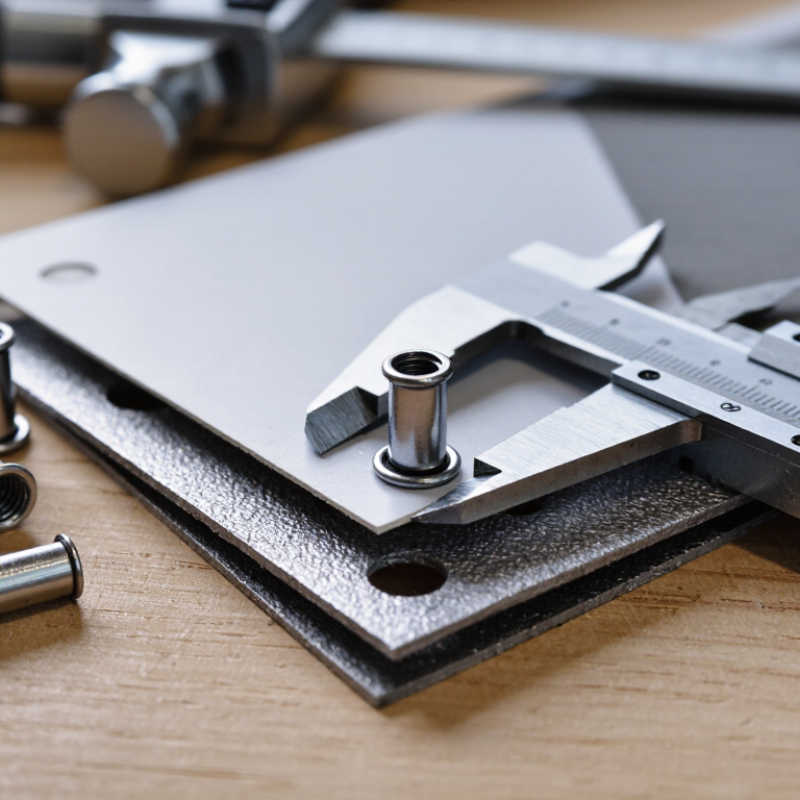
7 Tips for Buying Folding Blind Rivets

Understanding Folding Blind Rivets and Their Best Applications

Folding blind rivets are designed for thin, soft, or hollow materials. During installation, the rivet body folds behind the panel and forms broad supporting legs. This spreads pressure across a larger area. They work well on plastic housings, honeycomb panels, insulation boards, and thin sheet assemblies where the rear side is inaccessible.

Buying starts with seven practical checks.

Verify the grip range, hole diameter, body material, mandrel material, head style, corrosion resistance, and setting-tool compatibility. The grip range must match the actual stack thickness, not its estimated value. A loose fit may leave rattling panels. An oversized rivet can crush a soft surface.

The Industrial Fasteners Institute emphasizes controlled installation and tested joint performance in its fastener guidance. That matters more than a low unit price.

Market context also deserves attention. Grand View Research has estimated the global fasteners market at more than 80 billion US dollars in recent years, reflecting broad demand across construction and manufacturing. However, folding rivets remain application-specific. They should not replace engineered structural fasteners without verified load data. In workshop trials, I have seen a correct rivet fail after poor hole preparation. That was not the rivet’s fault entirely. Burrs, uneven surfaces, and excessive tool pressure can distort the folding legs. Inspect the formed backside: the legs should open evenly, grip firmly, and avoid cutting into the panel.

Checking Rivet Materials, Sizes, and Load Requirements

7 Tips for Buying Folding Blind Rivets

Choosing folding blind rivets starts with the joined materials, not the price. Tip one: match the rivet material with the sheets. Aluminum rivets suit lightweight panels, while steel offers greater strength. Avoid pairing dissimilar metals in damp areas. Galvanic corrosion can weaken a joint quietly. Tip two: check the working environment. Salt spray, moisture, heat, and chemicals may require a more resistant material. I once selected a suitable size but ignored condensation. That shortcut caused early staining around the joint.

Tip three: measure the rivet diameter against the prepared hole. A loose hole reduces stability, while an oversized rivet can damage thin sheet. Tip four: confirm the grip range. Add the thickness of every layer, including paint or washers. The rivet must fold behind the materials without leaving excessive slack. Tip five: calculate both shear and tensile loads. Vibration, impact, and panel weight can change the real requirement. Do not rely on diameter alone. A wider rivet is not automatically stronger.

Tip six: inspect the head style and folding shape. The formed legs should spread evenly behind the rear panel. Uneven folding often signals poor hole alignment or unsuitable thickness. Tip seven: test a few samples before ordering in bulk. Check pull-out resistance, visible distortion, and installation access. This step feels slow, but it exposes assumptions. My own estimates have been wrong when flexible panels moved during installation. Record the tested material, hole size, grip, and load conditions for dependable purchasing.

Choosing the Correct Grip Range for Your Project

Choosing the Correct Grip Range for Your Project

Grip range is the working thickness a folding blind rivet can clamp securely. Measure every layer, including paint, washers, and uneven surfaces. For example, two 1.2 mm sheets create a 2.4 mm stack. A rivet rated for 2.0–4.0 mm is safer than one ending at 2.5 mm. Do not treat the maximum range as a target. It leaves little room for coating variation.

Check the manufacturer’s hole diameter and drill a clean, round opening. A loose hole can reduce sleeve expansion and create movement. The FAA Advisory Circular AC 43.13-1B uses approximately two rivet diameters as a common minimum edge distance for many riveted joints. That reference is aviation-focused, but it reminds installers to protect the surrounding sheet. Keep the rivet body square to the workpiece. Small details matter. Folding action must occur behind the rear sheet, not inside an empty gap.

Inspect the folded sleeve after setting. It should sit firmly against the rear material, without cracking or spinning. ISO 14589:2013 defines mechanical testing methods for blind rivets, including tensile and shear performance; use comparable test loads when the joint is safety-critical. Test a sample assembly first. I have seen attractive joints loosen because the grip was technically acceptable but poorly matched. Recheck the stack after compression. A neat fit can still be wrong.

Comparing Head Styles, Strength, and Corrosion Resistance

7 Tips for Buying Folding Blind Rivets

Comparing Head Styles, Strength, and Corrosion Resistance

Buying folding blind rivets is less about appearance than matching head style, strength, and corrosion resistance. Choose dome heads for general fastening and balanced load distribution. Select large-flange heads when thin sheets may pull over the rivet. Countersunk heads suit flush surfaces, but they need accurate countersinking. A poor fit can weaken the joint.

Check the rivet’s grip range against the combined sheet thickness. Measure the hole carefully; oversized holes reduce clamp reliability. Review published shear and tensile values tested under ISO 14589 procedures. Those figures help, but real assemblies may perform differently. Joint design still matters. Use compatible mandrel and body materials to reduce galvanic corrosion. Stainless steel usually offers stronger resistance in humid environments, while coated steel can provide a practical alternative.

Corrosion deserves serious attention. The NACE IMPACT study estimated global corrosion costs at 3.4% of worldwide GDP, or about 2.5 trillion dollars annually. This figure covers entire systems, not rivets alone, but it shows the cost of ignoring material selection. ASTM B117 and ISO 9227 salt-spray tests can compare coatings, yet test hours do not perfectly predict outdoor service life. That limitation is easy to overlook. Consider moisture, salt exposure, temperature changes, and contact with dissimilar metals. Keep a small installation sample for inspection after several months. It may reveal problems that a specification sheet misses.

Installing Folding Blind Rivets Safely and Inspecting the Joint

Before buying folding blind rivets, match the rivet length to the total panel thickness. Leave enough space behind the panel for the legs to open. The material should also suit the panels, because mismatched metals can encourage corrosion. Check the hole diameter with a gauge, not only by eye. A loose hole can produce a weak, uneven joint.

Wear safety glasses and keep your fingers away from the rivet tail. Clean the hole and remove sharp burrs before setting the rivet. Insert the rivet fully, then hold the tool square to the surface. A tilted tool may bend the stem or fold one leg unevenly. Apply steady pressure rather than forcing a single hard squeeze. Stop if the panel starts to crack or distort. Small defects matter.

Inspect the finished joint from both sides. The head should sit flush, while the rear legs should spread evenly against the hidden panel. Check for gaps, spinning, cracked material, or a loose mandrel. A light hand-pull can reveal movement, but do not use excessive force on a delicate panel. For critical assemblies, test a sample joint before production and record the result. One lesson I keep relearning is that a neat front surface proves very little. I once trusted appearance and missed a small rear gap. Measure twice, inspect the hidden side, and replace any rivet that looks doubtful.

7 Tips for Buying Folding Blind Rivets: Installing Safely and Inspecting the Joint

Use a rivet diameter that matches the material thickness and select a hole size close to the typical clearance shown below. Always verify the final dimensions, grip range, and installation requirements against the fastener specification before drilling.

  • Measure the total material thickness before choosing the grip range.
  • Select a rivet material compatible with the joined sheets.
  • Use the correct nominal rivet diameter for the load and hole size.
  • Drill a clean, round hole and remove burrs before installation.
  • Keep the rivet body square to the work surface during setting.
  • Wear eye protection and keep hands away from the tool nose.
  • Inspect the formed back side, head seating, and joint movement after installation.

FAQS

What does grip range mean?

Grip range is the total thickness a rivet can clamp securely. Include every sheet, coating, washer, and uneven layer. Two 1.2 mm sheets make a 2.4 mm stack.

How should I choose the correct grip range?

Measure the complete stack, then select a range that comfortably includes it. Do not treat the maximum as a target. Coating differences can matter.

How important is the hole diameter?

Very important. Use the specified diameter and make a clean, round hole. A loose opening can reduce clamping and allow movement. Small details matter.

Which head style should I use?

Dome heads suit many general fastening tasks. Large-flange heads can help prevent thin sheets from pulling over the rivet. Countersunk heads create a flush surface but need accurate countersinking.

How can I reduce corrosion risk?

Choose compatible rivet and panel materials. Stainless steel often resists humid conditions well; coated steel may suit other settings. Consider salt, moisture, temperature, and contact between different metals.

What should I do before setting a rivet?

Wear safety glasses, clean the hole, and remove sharp burrs. Insert the rivet fully and hold the tool square. Apply steady pressure, not one hard squeeze.

How can I tell whether a rivet is installed properly?

Check both sides. The head should sit flush, and the rear legs should spread evenly against the material. Look for gaps, cracks, spinning, or a loose mandrel.

Should I test a sample joint first?

Yes, especially for critical assemblies. Test a sample and record what happens. A light hand-pull may reveal movement, but avoid excessive force on delicate panels.

Can a neat front surface prove the joint is sound?

No. I have trusted a tidy front before and missed a small gap behind it. Looks can mislead. Inspect the hidden side, and replace doubtful rivets.

Conclusion

Folding Blind Rivets provide a practical fastening option when access to the rear of a joint is limited. Before buying, consider the materials being joined and the conditions the connection will face. Match the rivet material and size to the project’s load requirements, and choose a grip range that covers the combined thickness of the parts. A suitable grip helps the rivet form a secure joint without leaving the materials loose or placing unnecessary stress on them.

Compare head styles to find one that fits the surface and assembly needs, while also considering strength and resistance to corrosion. For a reliable result, use an installation tool suited to the rivet and follow the product’s instructions. Wear appropriate eye protection, keep the work area clear, and inspect the finished joint for a firmly set rivet, aligned parts, and any signs of damage or looseness.


Isabella

Isabella

Isabella is a dedicated marketing professional with a sharp focus on driving brand growth and engagement through strategic content creation. With an extensive background in digital marketing, she combines her passion for storytelling with her keen understanding of industry trends to deliver......